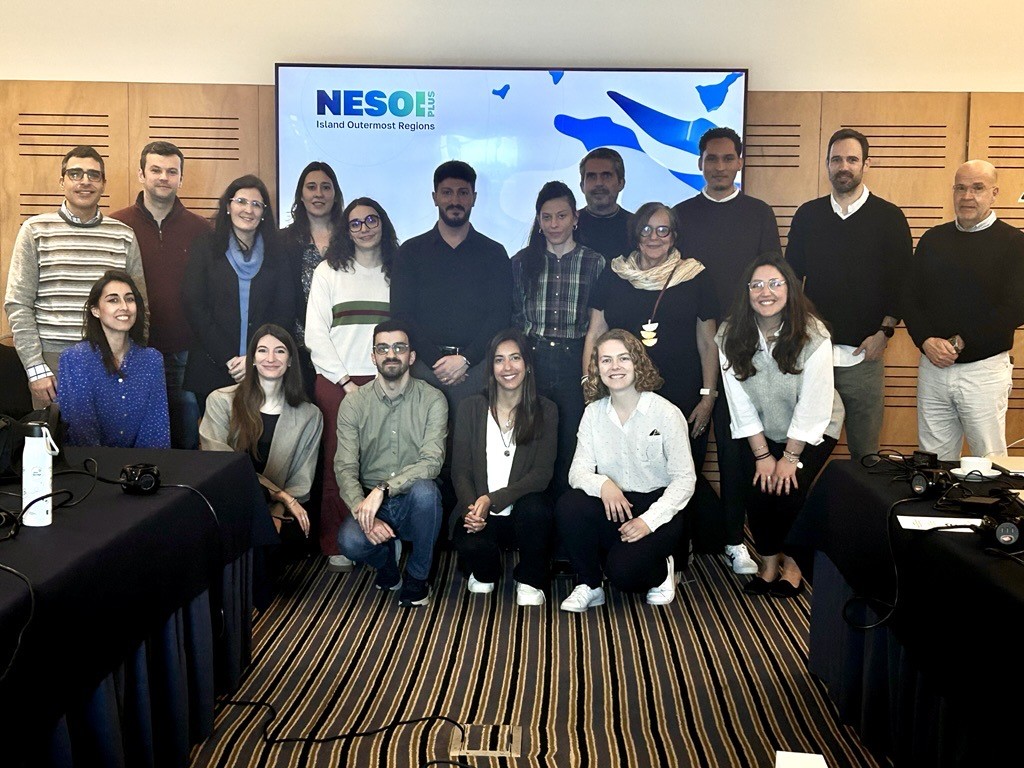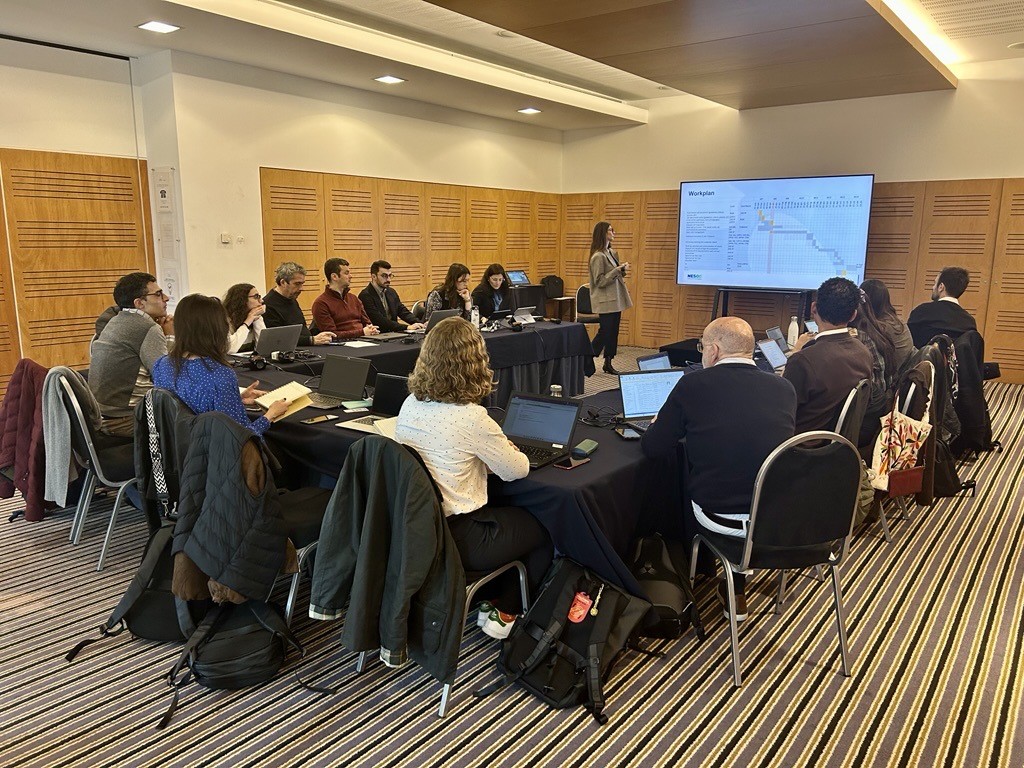
March 2026 – The Azores recently hosted the Second General Assembly of the NESOIPlus consortium, held in person in Ponta Delgada and hosted by the Regional Secretariat for Tourism, Mobility and Infrastructure (SRTMI) and the Regional Directorate for Energy. The meeting was officially opened by Joana Ferreira Rita, Regional Director for Energy, and brought together project partners to review progress, exchange insights on the development of Energy Communities and align on the next phases of implementation.
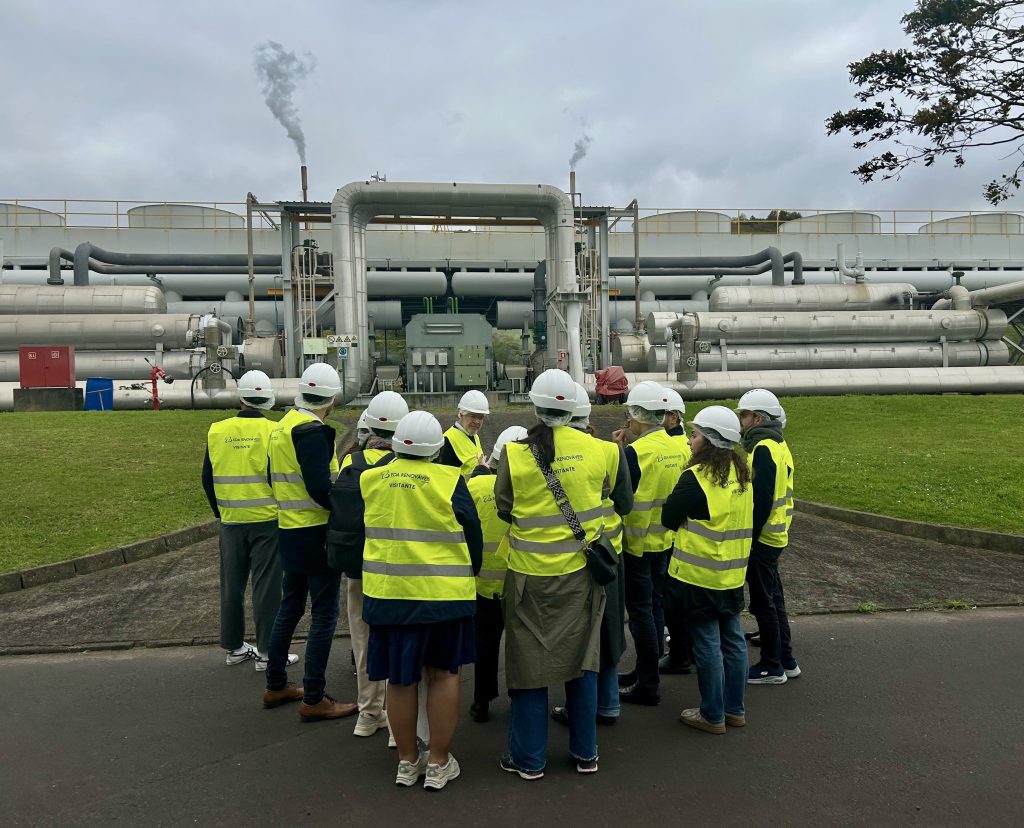
A key highlight of the programme was a technical field visit to a geothermal power plant, organised with the support of EDA Renewables. Guided by experts, consortium members were able to observe the system in operation and discuss both the opportunities and challenges associated with geothermal energy in an island context. The visit provided valuable first‑hand insight into one of the Azores’ most emblematic renewable energy sources, reinforcing the Region’s pioneering role in geothermal development and its contribution to energy autonomy and decarbonisation.
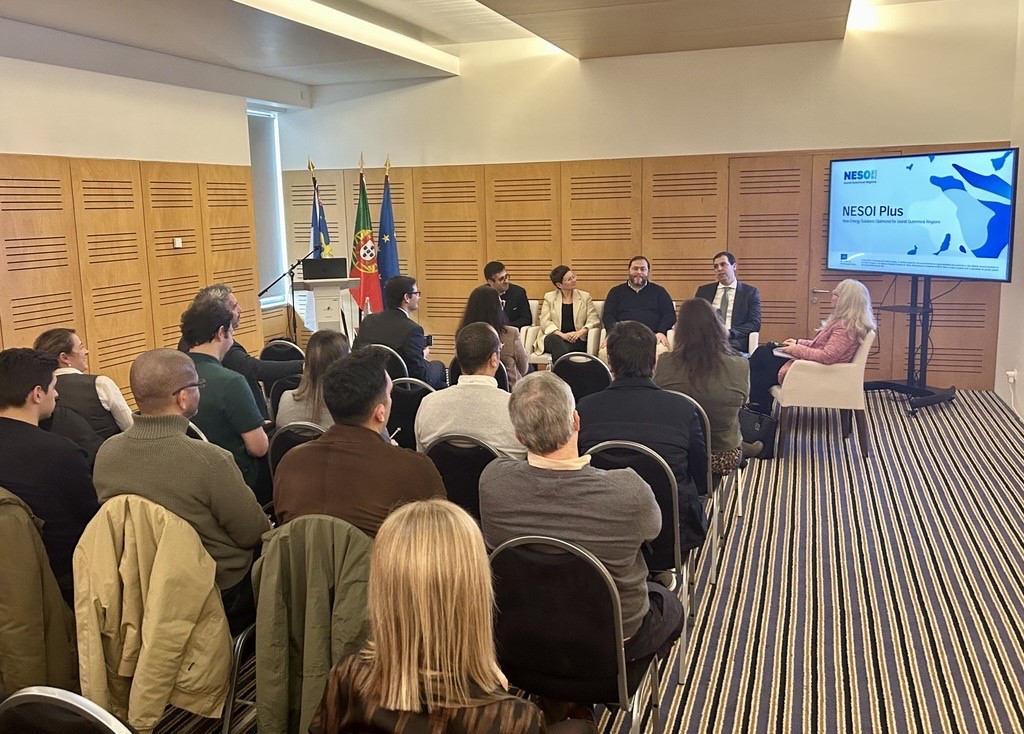
In parallel, the Azores authorities organised the first local stakeholder event of the project, held in Portuguese and dedicated to presenting NESOIPlus to regional actors. This session created a valuable opportunity for direct dialogue with local institutions, communities and stakeholders, while also serving as a moment to invite participation in the project’s First Open Call, scheduled to be launched in the coming month. The event underlined the project’s strong focus on community engagement and local ownership of the energy transition.
The project was also officially presented during the seminar “Innovating to Decarbonise: The Electrical System and Energy Communities in the Azores”, organised by the Regional Directorate for Energy. Opening the seminar, the Regional Secretary for Tourism, Mobility and Infrastructure, Berta Cabral, stressed that the energy transition is “crucial to the economic, environmental and social future of the European Union’s outermost regions”, emphasising that it is not a distant objective but an urgent imperative for the present.
The Regional Secretary highlighted how the current context of geopolitical instability and volatility in global energy markets further reinforces the need to accelerate investment in renewable energy and reduce dependence on fossil fuels and external suppliers. In this context, the European Union’s leadership in driving structural economic transformation was described as essential and forward‑looking, particularly for remote and island territories.
NESOIPlus aims to establish a one‑stop shop to support the development of Renewable Energy Communities across the EU’s outermost regions, fostering innovation, strengthening energy autonomy and promoting the active involvement of citizens and local actors in energy production and management.
The Azores’ participation in the project is fully aligned with the Region’s long‑standing commitment to sustainability, reflected in concrete public policies, strategic investments and internationally recognised initiatives. These include the pioneering Azores Marine Protected Areas Network and the achievement of Gold Level Sustainable Destination certification, an unprecedented recognition for archipelagic regions worldwide.
The Government of the Azores also recalled the Region’s broader leadership in renewable energy, including hydropower and the continued expansion of wind and solar energy. Flagship initiatives such as the Graciosa hybrid energy system, alongside citizen‑centred programmes like SOLENERGE, demonstrate a clear commitment to placing people and businesses at the centre of the energy transition.
During the seminar, attention was also given to the recently approved new configuration of the Azores Electrical System, designed to respond to the specific reality of the Region’s nine isolated electrical grids. The new framework is expected to enhance security of supply, tariff stability and regulatory predictability, while creating favourable conditions for Renewable Energy Communities and innovation, without compromising territorial cohesion or consumer protection.
Concluding her remarks, the Regional Secretary highlighted the transformative potential of Energy Communities in promoting decentralised energy production, strengthening energy literacy, encouraging self‑consumption and generating local economic value. She reaffirmed the Government of the Azores’ commitment to leading the energy transition with responsibility, ambition and a long‑term vision—ensuring that energy innovation contributes to environmental sustainability, economic competitiveness and an improved quality of life for the people of the Azores.